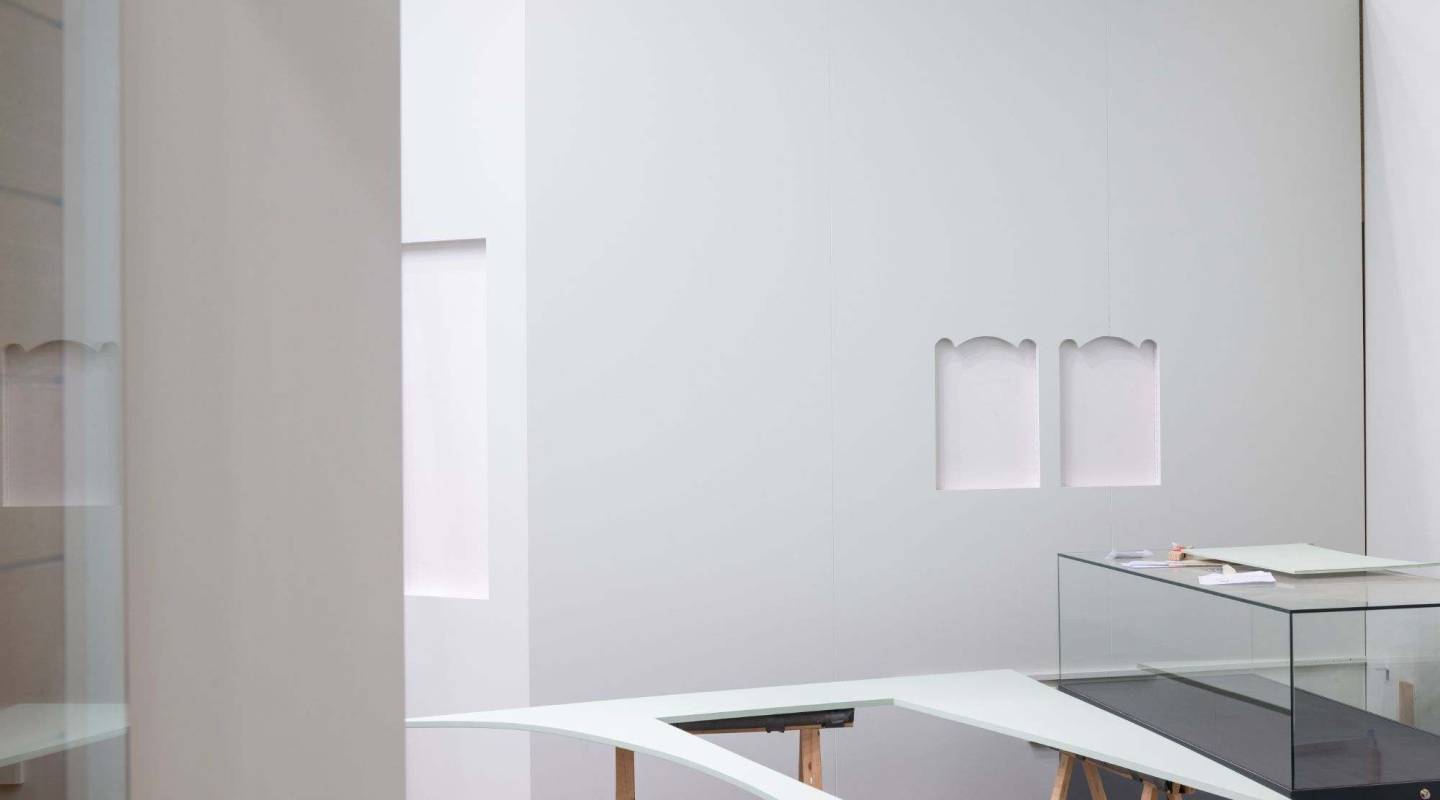
An exhibition does not begin with a single decision. It emerges gradually as research progresses and the curators sense that there is enough material and enough stories worth sharing to turn an idea into a real undertaking.
The same was true for Vu Lilien a Linnen. Jugendstil, Handwierk a Konscht zu Lëtzebuerg, an exhibition at the Nationalmusée um Fëschmaart that explores the presence and influence of Art Nouveau in Luxembourg. Many pieces had spent decades in the museum depot, largely unnoticed. Others came from institutions such as the national library and archives, from the city museums of Luxembourg and Trier or from private homes where they had been carefully kept through the years. As this varied group of objects grew, the exhibition slowly took shape.
The Work Behind the Scenes
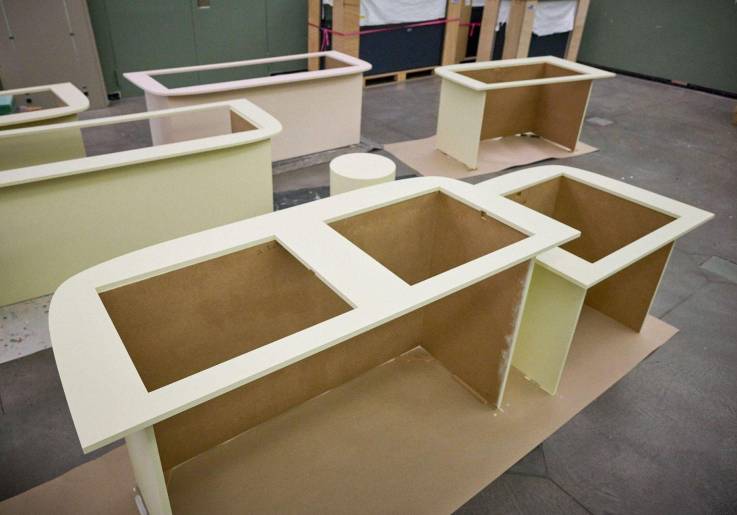
The planning phase of an exhibition usually begins with selected photographs. These visual records help the curators to see what they have, what they could show and what is still missing. The focus is not only on the individual objects themselves, but also on their material qualities, the stories they suggest, the dialogue they establish with one another and the insights they offer into their historical context. The objects are arranged thematically, with an emphasis on balance and the interplay between forms, materials and meanings. Once logistic decisions have been made such as available rooms and budget, the scenographers join the project. Their outside perspective helps to assess the selection and to place the objects within the exhibition space.
Space is limited, so the curators had to leave out some objects with a heavy heart. In the end, a wide variety of works was chosen from the everyday lives of Luxembourg‘s citizens. Around 250 pieces, including documents, books and photographs, illustrate just how unexpectedly widespread Art Nouveau was in Luxembourg. Scale drawings, floor plans and wall layouts are produced. Each object is assigned a position. Only at this stage are formal loan requests sent and agreements prepared. Objects from the museum collection are restored and often reveal unexpected beauty once layers of dust, ageing or minor damage have been dealt with. Frames are prepared, display cases are cleaned and the technical preparations quietly continue, week after week.
At the same time the exhibition texts and object labels are drafted. These are revised, refined and translated. The visual identity of the exhibition takes shape as colours, fonts and design elements are discussed and chosen. Carpenters, graphic designers, painters, electricians, conservators and logistics experts begin working together. The communications team springs into action and the education department develops a programme for visitors of all ages. As the storyline of the exhibition becomes clearer, the team decides to create an audio guide and recording begins. In addition, various digital elements are developed to expand upon the physical objects on display and add another layer of texture to the visitor’s experience.
When Everything Comes Together
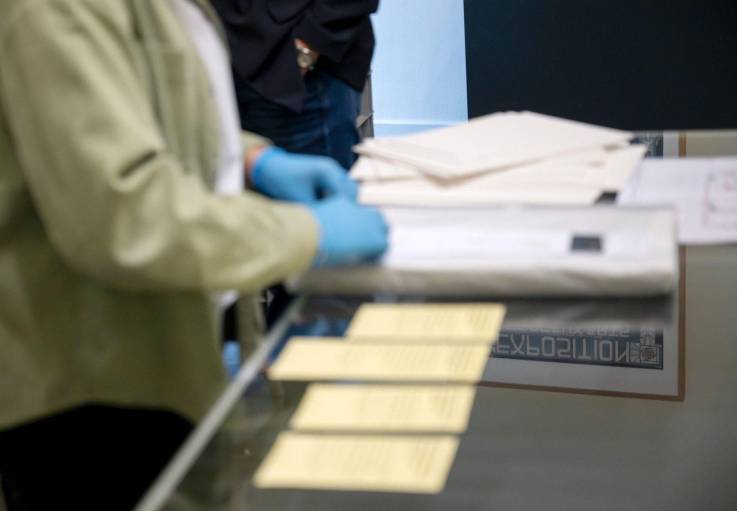
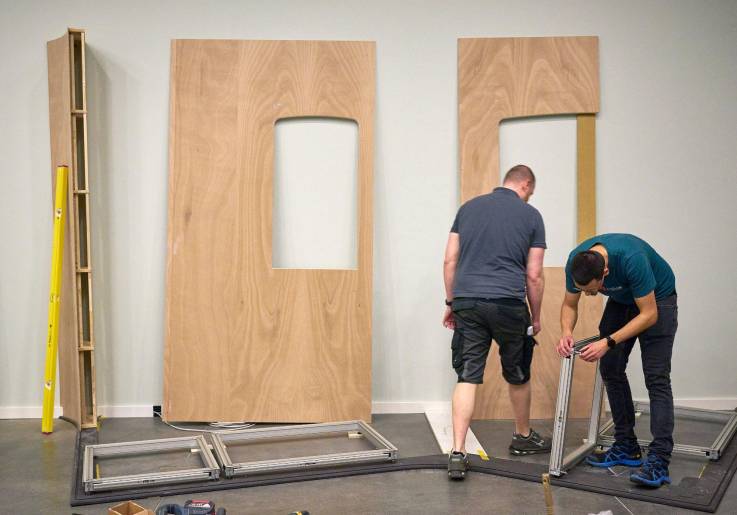
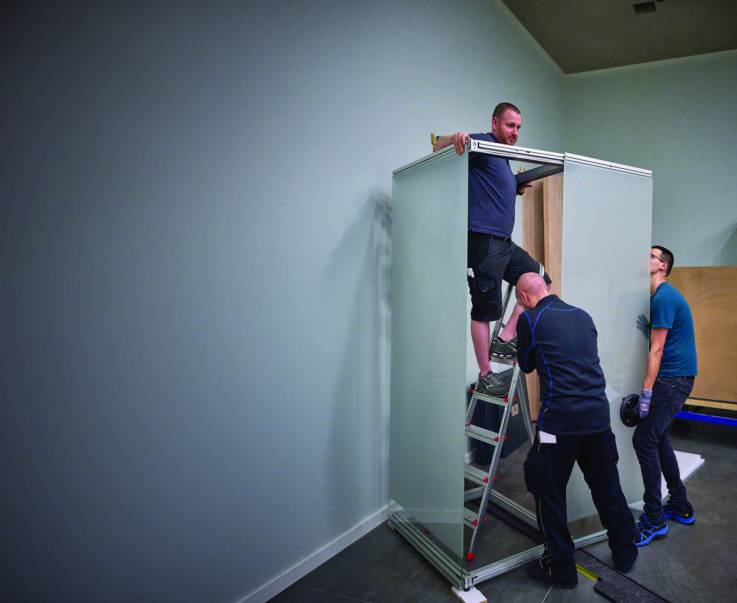
Then, there comes a moment when everything begins to fall into place. Exhibition structures are delivered and set up, walls are painted and transports begin. For this exhibition, twenty-two lenders meant twenty-two carefully scheduled deliveries that had to arrive at just the right time. For the curators, this is often the most rewarding stage. As collaboration with colleagues, lenders, scenographers and designers deepens, the work gains energy and momentum. A last-minute discovery that the curators feel must be included is always a possibility. This requires adjustments. None of this would be possible without a team that works seamlessly together.
The aim of the exhibition is simple: to let the objects take centre stage. The lighting should go unnoticed and allow the works to shine. The environment supports the objects without competing with them, inviting visitors to move at their own pace, to pause, to explore the contextual information, to look more closely and to follow the narrative that unfolds from room to room. The exhibition then becomes more than a collection of objects – it becomes an experience that feels intuitive, welcoming and clear.
The Story the Exhibition Tells
Here is what the exhibits reveal: A closer look at applied art and handcrafted objects produced in Luxembourg around 1900 reveals both an openness to Art Nouveau and at least partial efforts to establish a distinct national artistic identity. The country‘s artistic landscape oscillated between maintaining traditional values, which intended to position the Grand Duchy within a framework of historical continuity, and embracing innovative styles such as Art Nouveau, which sought to capture the evolving spirit of the time and reflect a modern society.
During this period, decision-makers aimed to anchor artistic expression within craftsmanship and facilitate the transmission of technical and artisanal skills to artists across various disciplines. This led to the establishment of the first state educational institution dedicated to artistic education in what is now Luxembourg, fostering close collaborations with the broader art scene. Joint exhibitions and awarding the Luxembourg art prize to representatives from all artistic fields – painting, sculpture, applied arts and architecture – attest to cooperative effort. The growing international appreciation of craftsmanship during the Art Nouveau era was thus seen as an opportunity for Luxembourg’s art scene.
At the same time, many artists continued to introduce design concepts from abroad to Luxembourg, influencing both individual works and serving as enduring theoretical foundations for art education and stylistic development. The extent to which Art Nouveau was adopted, however, depended largely on the preferences of clients and buyers. This dynamic led to a coexistence of a wide variety of artistic styles, a phenomenon also observed in neighbouring countries.
While a unified or distinctly independent form of Art Nouveau did not emerge in Luxembourg, the style nevertheless played a significant role within the Grand Duchy, resulting in noteworthy and promising works that helped overcome the previously dominant historicism across all artistic disciplines. The outbreak of the First World War put an abrupt end to the optimism and sense of renewal in Luxembourg’s art scene. Yet Art Nouveau had opened a door, paving the way for Luxembourg’s artists in the interwar period to embrace modern styles such as Art Deco, which proved far more influential at the national level than Art Nouveau.
Over to You
Now it’s your turn to step into the story and decide whether the exhibition succeeds in conveying these findings. We look forward to welcoming you and hearing your impressions. While the exhibition marks the end of years of collecting and research, it is also a new beginning. It is likely that many Art Nouveau treasures still lie hidden in attics, cellars and private collections across the country, just waiting to be rediscovered. We cannot wait to see what new stories surface next.
Text: Ulrike Degen and Michèle Walerich (Arts décoratifs et populaires)
Photos: Eric Chenal, Tom Lucas (MNAHA)
Source: MuseoMag N° II – 2026
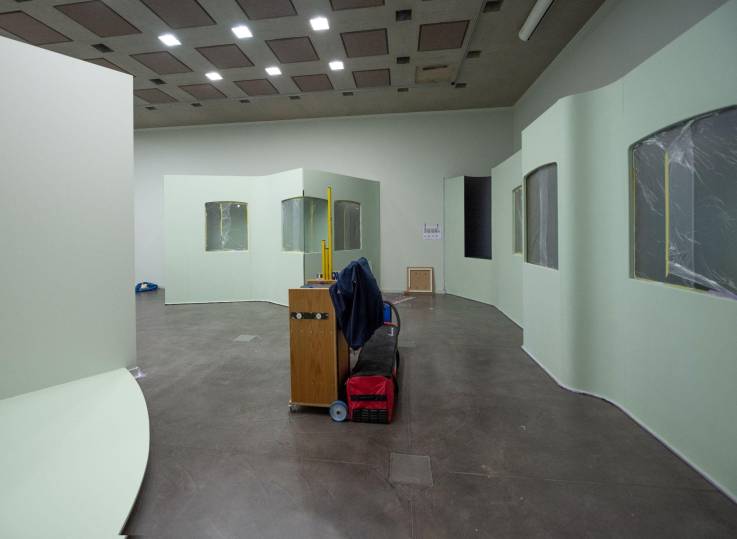
The exhibition Vu Lilien a Linnen. Jugendstil, Handwierk a Konscht zu Lëtzebuerg is on view at the Nationalmusée um Fëschmaart until 18 October 2026. Find out more on jugendstil.lu.